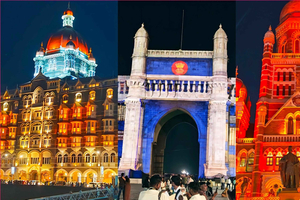
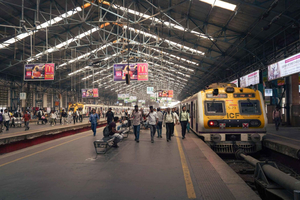
Every time I wander through areas like Fort or Colaba, I’m reminded why Mumbai’s charm comes from its history wearing its scars proudly. You’ll find plenty of colonial-era buildings standing side by side with ancient temples, each with its own tale. And the Don’t Miss? The Chhatrapati Shivaji Maharaj Terminus, that railway station with the incredible Gothic revival architecture, it’s more than just a travel hub, it’s a slice of Mumbai’s soul.
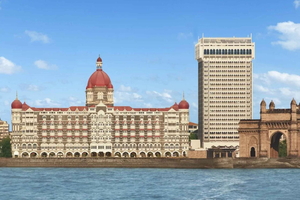
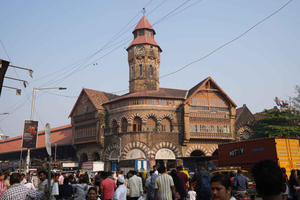
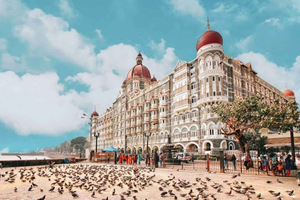
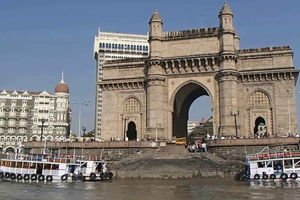
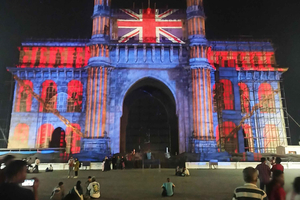
Step into the lanes near Crawford Market, a mix of Victorian facades and Indian craftsmanship, and you might spot a few faded signs in Marathi or Gujarati, reminders of the city’s layered communities. Also, if you can, time your visit to the morning hours when the light hits the Gateway of India just right and the sea breeze cools down what’s usually a humid day. Tip: Try to pair your visit with a walk around the nearby Kala Ghoda area; the art here brings a fresh connection to Mumbai’s heritage.
Think of heritage sites in Mumbai as places to slow down and look closely. The city’s history isn’t preserved in a museum behind glass but lives in bricks, bustling streets, and stories locals love sharing, if you ask.
🌍 Part of the My Guide Network180+ destinations worldwide
When planning a day out exploring heritage sites in Mumbai, don’t rush through. The details matter here,steps worn smooth by decades, faded signs in old scripts, tiny statues hidden on building corners. I’d suggest starting your morning at the Gateway of India before it gets packed, then wandering towards Kala Ghoda to soak in its calm. Also, keep some cash for street vendors who sell chai near these sites; the flavor of that tea, after a couple of hours of walking, can’t be beat.
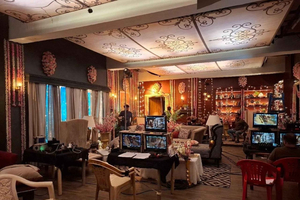
And here’s a local heads-up: try visiting on weekdays if you can. Weekend crowds at the Gateway and CST can be intense and mess with the experience. On a quiet day, you get to chat with locals and maybe even spot a few film crews capturing the city’s heritage.
Frequently Asked Questions
Got questions about visiting heritage spots in Mumbai? Here’s some local insight.
Without a doubt, the Chhatrapati Shivaji Maharaj Terminus is breathtaking. It’s a UNESCO World Heritage Site blending Victorian Gothic with Indian influences. Just look closely at the stone carvings,they tell little stories and truly stand out compared to other buildings in the city.
Definitely explore the Dr. Bhau Daji Lad Museum in Byculla. It’s not as busy as Gateway of India but offers a deeper look into Mumbai’s history through artifacts and old cityscapes. Plus, the Victorian building itself is a sight to behold.
Start early in the Fort district. The streets are cooler and less chaotic then. Walking through Colaba and Kala Ghoda after makes for an easy continuation. Just wear comfy shoes, and keep your phone handy for directions,some alleys can get confusing.
Most places like the Gateway of India or the Chhatrapati Shivaji Terminus are open every day since they’re public spaces. Museums like the Bhau Daji Lad or Mani Bhavan have entry fees and specific hours, usually closed on Mondays, so check before you go.
Generally, yes, but be mindful,some museums may restrict photography or require permission. For outdoor sites like the Gateway or CST, it’s usually fine. Just watch your surroundings and be respectful, especially near active religious sites.
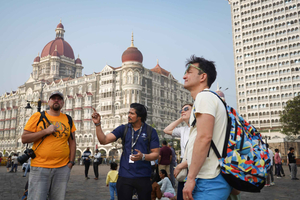
If you love stories and history, guided tours can add a lot of context, especially in areas like Fort or Kala Ghoda. But if you prefer a relaxed pace, exploring solo with a bit of prep works too. I sometimes mix the two,guided walk first, then my own route later.