Highlights
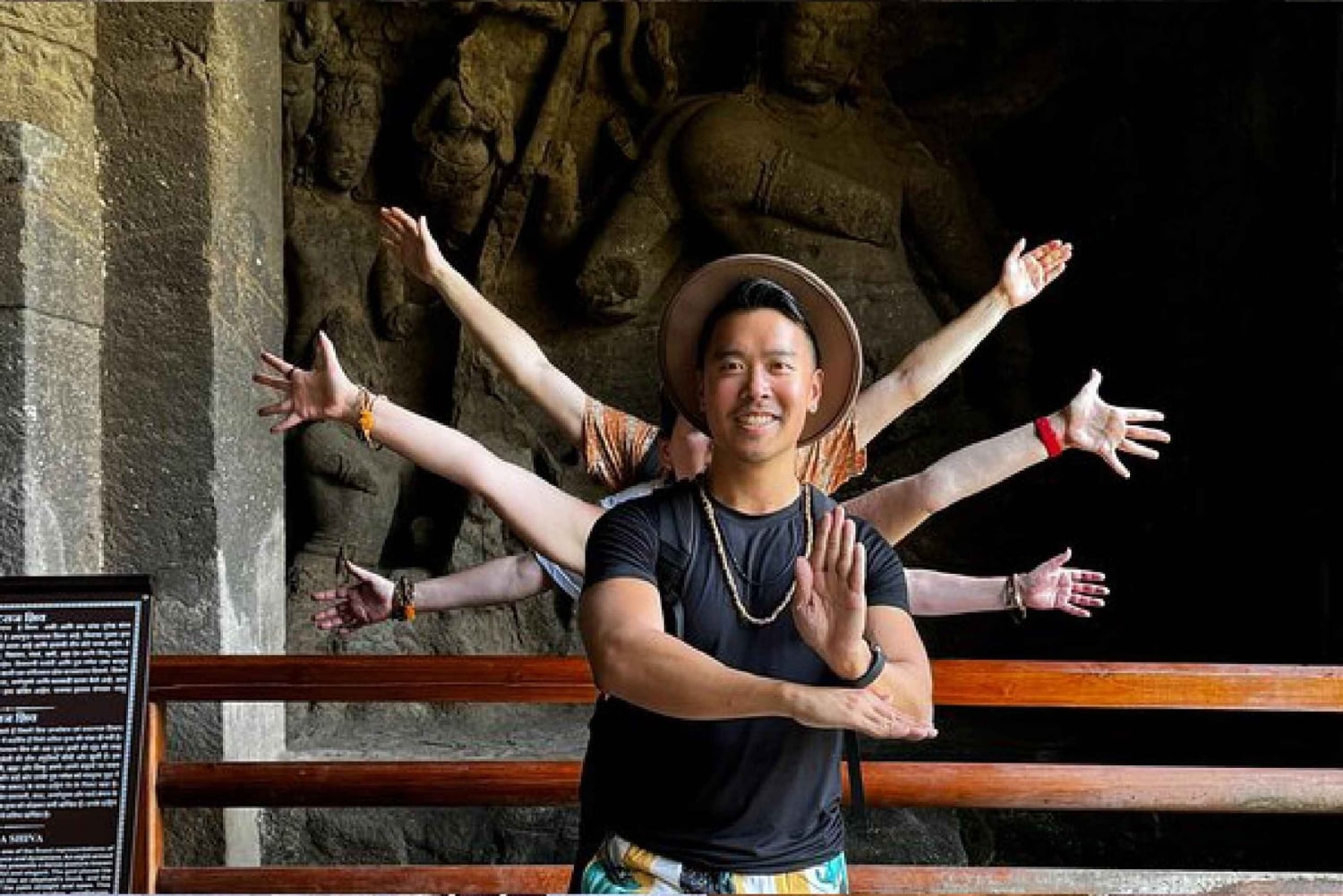
- Discover more of Elephanta's history and enjoy photo opportunities.
- Enjoy views of Mumbai Harbour and the Arabian Sea.
- Explore the famous sculptures and learn their stories from your local guide.
Description
The Elephanta Caves are situated in Western India on Elephanta Island (also called the Island of Gharapuri), which highlights two hillocks isolated by a tight valley. These archeological remaining parts uncover proof of occupation from as soon as the second century BC. The stone-cut Elephanta Caves were built about the mid-fifth to sixth hundred years AD. The most significant among the caverns is the incomparable Cave 1, which is estimated 39 meters from the front access to the back. In plan, this cavern in the western slope intently looks like Dumar Lena cave at Ellora, in India. The principal body of the cavern, barring the porches on the three open sides and the back passageway, is 27 meters square and is upheld by lines of six sections each.
The legitimacy of the property has been all around kept up with since its engraving on the World Heritage List, regardless of specific fixes on the façade and support points that have been done to guarantee the underlying solidness of the landmark. Other than the caverns, Elephanta Island has archeological remaining parts from as soon as the second century BC and from the Portuguese time frame, as seen, separately, by stupas covered towards the eastern side of the hillock and a group situated at its top. These incorporate the development of pathways, protection of fallen and broken support points, preservation of fallen and imploded veneers, development of trip of steps prompting the caverns from the island’s pier, fix to the Custodian’s Quarters, and setting up of a Site Information Center.
Supporting the Outstanding Universal Value of the property over the long haul will require finishing, endorsing, and carrying out a Conservation Management Plan to direct rebuilding and protection works; tending to saline movement and the overall decay of the caverns’ stone surfaces utilizing globally perceived logical guidelines and strategies; shielding the property from neighboring modern turn of events; and considering uncovering the covered stupas. The reclamation of a portion of the support points that was done in the 1960s should be destroyed and revamped as breaks have been created. Extra assets (specialized expert counsel) and subsidizing are expected to preserve this site and safeguard antiquarianism.
Elephanta Caves are a Unesco World Heritage Site and an assortment of cavern sanctuaries prevalently committed to the Hindu god Shiva. They are situated on Elephanta Island, or Gharapuri (in a real sense “the city of caverns”) in Mumbai Harbor, 10 kilometers (6.2 mi) toward the east of the city of Mumbai in the Indian province of Mahārāshtra. The island found seaward around 2 kilometers (1.2 mi) west of the Jawaharlal Nehru Port, comprises five Hindu caverns and a couple of Buddhist stupa hills that date back to the second century BE, as well as a little gathering of two Buddhist caverns with water tanks
Includes
Professional local guide
English-speaking guide
Elephanta Caves entrance ticket Return ferry tickets
Hotel pickup/drop-off — if applicable to the selected option
Drinking water
Guided exploration of the caves
Excludes
Meals And Drinks are not included
Important Information
- Please meet us at the designated meeting point — Regal Cinema. Kindly arrive at least 10 minutes before the scheduled time.
Note:- additional charge of ₹2,000 will apply for airport pickups to cover parking and toll fees.
Easy cancellation
Cancel up to 24 hours in advance for a full refund